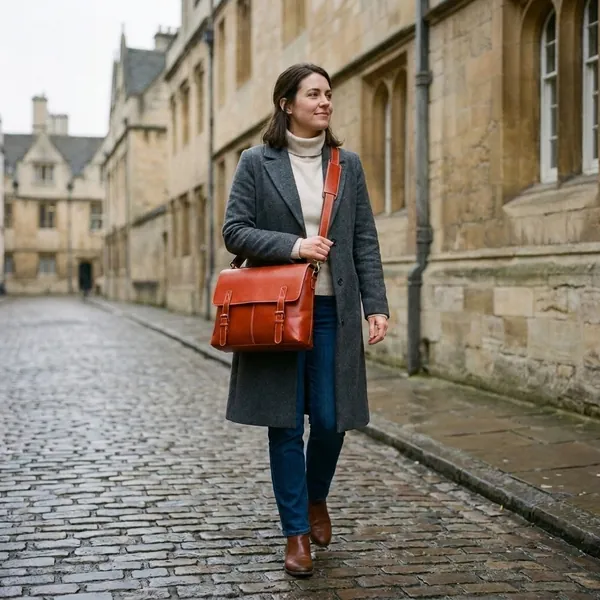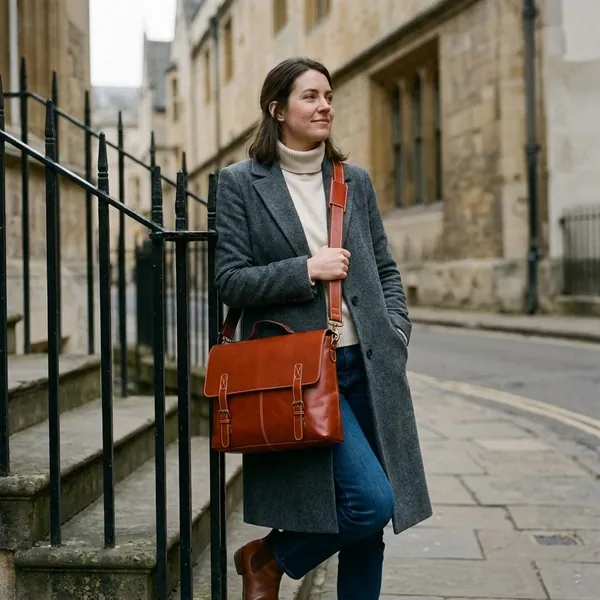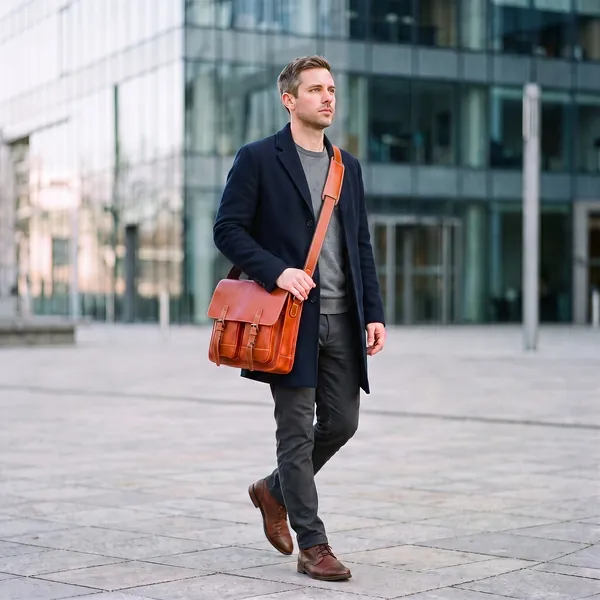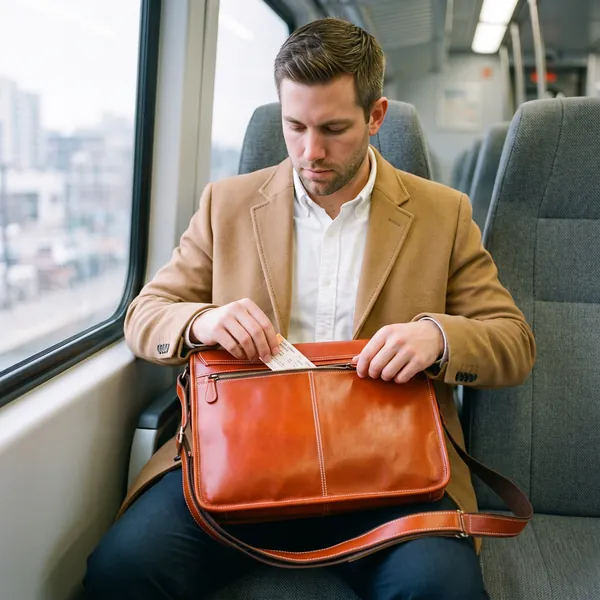
Two leather bags can look much the same in a photo and feel completely different in the hand. When you are buying bags to sell, the difference shows up later, in returns, in complaints, and in whether customers come back. These are the checks worth making on every sample.
Look at the surface
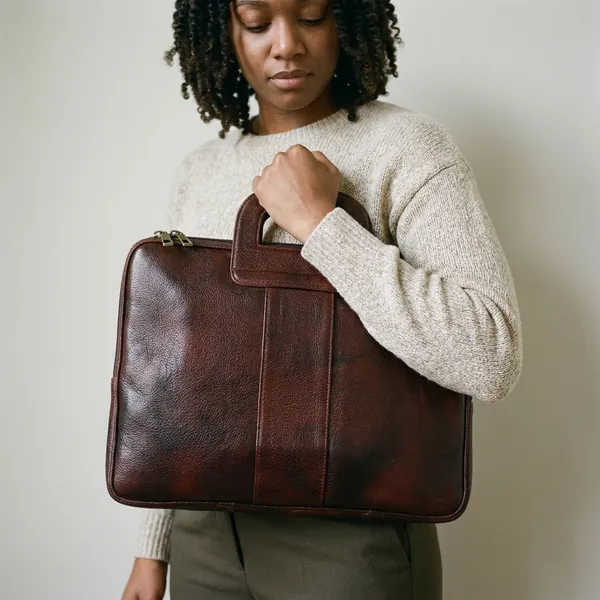
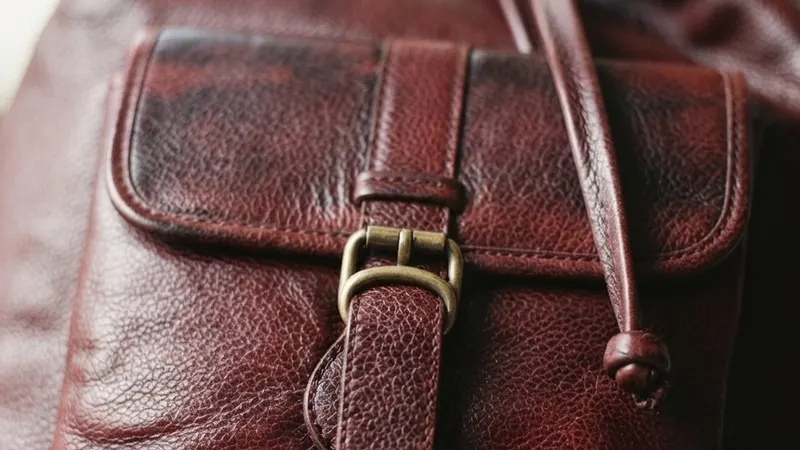
Real leather has a grain: a pattern of tiny pores and lines that varies a little across the hide. Look for slight differences in texture between one part of the bag and another. A surface that is perfectly uniform, like printed plastic, usually means the leather has been heavily sanded and coated, or that it is not leather at all.
Small natural marks are fine. A faint scar or a variation in colour shows that the surface has not been buried under a thick coating.
Smell it
Good leather smells of leather: warm, a little earthy. A strong chemical or plastic smell suggests heavy coatings, synthetic material, or leather that has not been finished well.
Press it and bend it
Press a thumb into a flat panel. Good leather wrinkles softly under pressure and smooths out again when you let go. Bend a strap or a flap. It should flex without cracking at the fold, and the surface should not show white lines or flaking.
Thin, papery leather that creases sharply will look tired within months.
Check the edges
Turn the bag over and look at the cut edges of straps, flaps and pocket openings. On good leather the edge is dense and either smoothly finished or neatly painted. If you can see thin layers glued together, or the edge looks fibrous and crumbly like cardboard, the bag may be made from bonded leather, which is leather scraps pressed together with glue.
Check the parts that fail first
Most bags do not fail in the middle of a panel. They fail where weight pulls on them. Check:
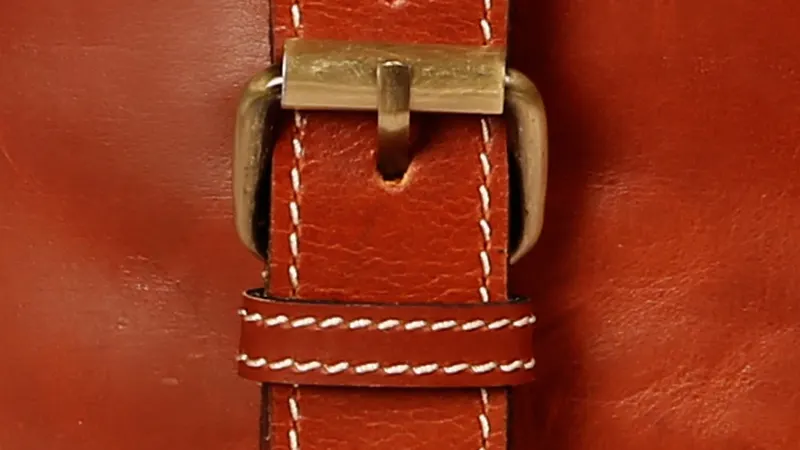
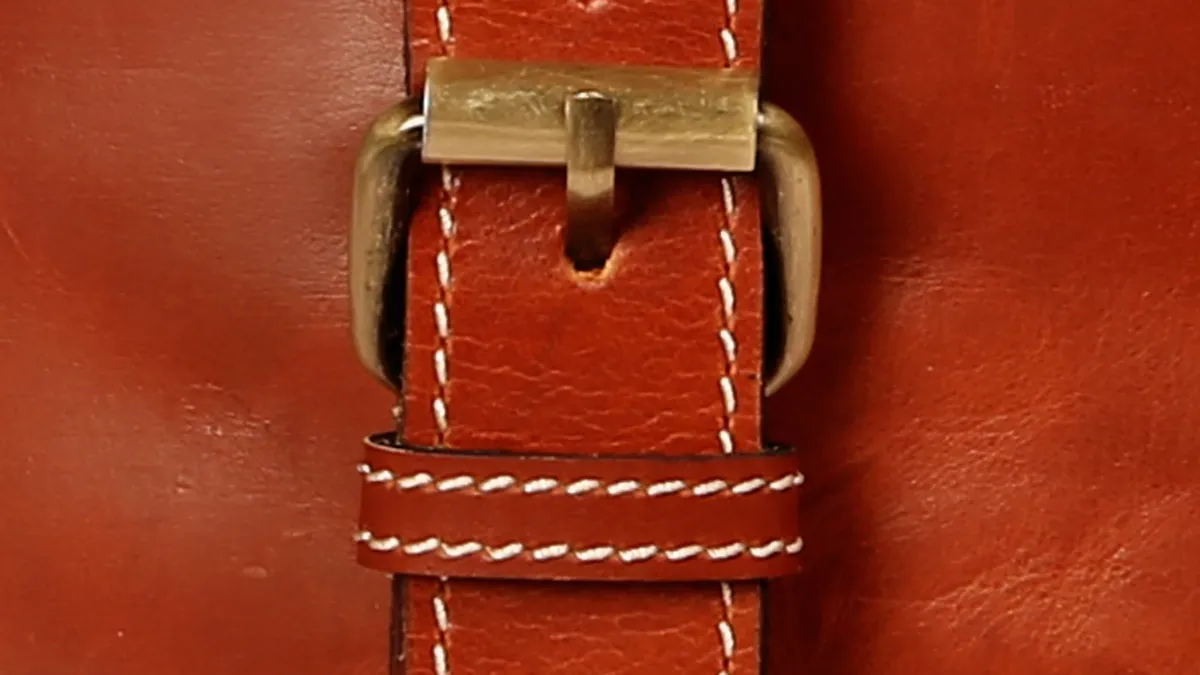
- Stitching at handle joins and strap anchors. It should be tight and even, with no loose ends.
- Hardware. Buckles, rings and clasps should feel solid, not hollow or light.
- Zips. They should run smoothly along their full length without catching.
- Lining. Neat seams, no loose threads, pockets where the photos show them.
Ask which leather it is
“Genuine leather” on a listing tells you very little. Ask the supplier which leather each bag is made from and get it in writing. Our bags are made in two leathers only: goat leather, which is lighter and softer with a fine grain, and top-grain buffalo leather, which is thicker and more rugged. Each product page says which one that bag uses.
For a wider checklist covering suppliers, samples and terms, see our guide to finding a wholesale leather bag supplier you can trust. To check our leather for yourself, order samples with a wholesale quote.